







Search Results for: Sumatra heavy rainfall
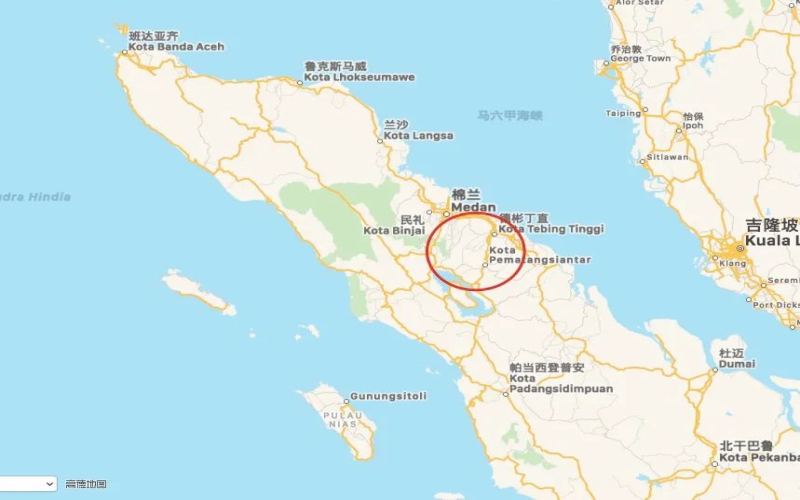
Heavy rains in northern Sumatra trigger floods and mudslides, affecting the Mandheling Arabica growing region
Recently, northern Sumatra in Indonesia has experienced continuous heavy rainfall, triggering secondary disasters such as flash floods and landslides in multiple areas of North Sumatra Province, resulting in 20 deaths and multiple injuries so far. This disaster has not only caused severe damage to local infrastructure including houses, schools, and roads, but has also directly affected the Arabica coffee-growing belt in the Lintong region of central Sumatra—the area where the world-renowned Mandheling coffee is produced. Meanwhile, Deli Serdang Regency, an important commodity transport corridor leading to the Medan seaport, has also been damaged by landslides, disrupting import and export operations. As the Arabica harvest season is currently underway, days of heavy rain may cause ripe cherries to drop and yields to decline, with the market generally holding a cautious attitude toward the supply outlook for the new harvest season. [more…]
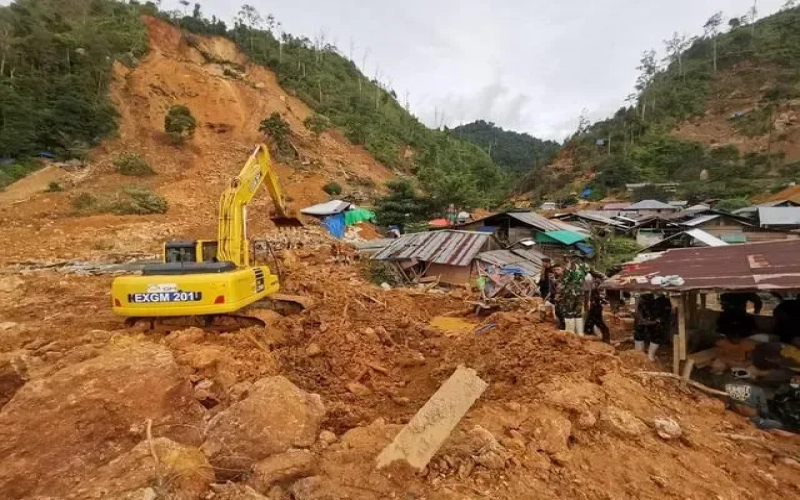
Days of heavy rain in Indonesia trigger landslides, killing multiple people; harvest in major coffee-producing areas is hindered, tightening supply.
Indonesia has recently been hit by prolonged severe weather, with landslides and floods triggered by heavy rainfall having caused dozens of casualties, and multiple provinces entering a disaster alert status. This natural disaster not only threatens the safety of local residents but also affects the country's coffee industry—major growing regions such as Sumatra, Sulawesi, and Papua are coinciding with the harvest season, and torrential rain will hinder harvest progress and cause cherries to drop, with output expected to decline. Combined with factors such as the depreciation of the Indonesian rupiah and reduced coffee production in Vietnam, international robusta prices are expected to remain high in the short term. [more…]
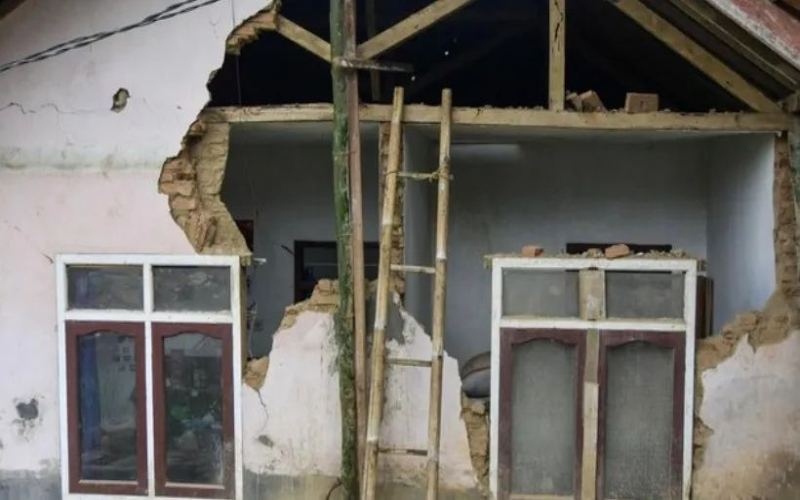
Two major coffee-producing regions in Indonesia have been hit by disasters in succession; output may decline further, and prices could keep rising.
Recently, several major coffee-producing regions in Indonesia have been hit by natural disasters. A magnitude 5.0 earthquake struck near Bandung in West Java on the island of Java, causing injuries and damage to homes; the Aceh region in northern Sumatra was hit by heavy rain and strong winds, and with the coffee harvest season underway, harvesting work has been disrupted. At the same time, several provinces are also facing ongoing drought, and coffee production may decline further. This article summarizes the disaster situations in various areas and their impact on Indonesia's coffee industry. [more…]
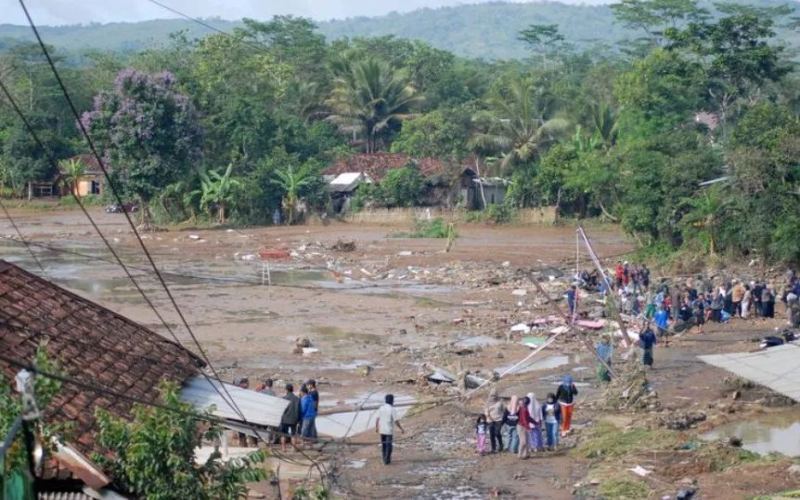
Heavy rainfall during Indonesia's rainy season hinders coffee harvesting, frequent disasters in main producing areas raise concerns about output
Since Indonesia entered the rainy season, heavy rainfall has triggered floods, landslides and other natural disasters in many places, causing casualties and damage to public facilities. This coincides with the coffee harvest season, and the affected areas are close to major coffee-producing regions, so whether plantations have been damaged remains to be confirmed. At the same time, Indonesia's coffee production for 2024/25 is expected to be revised downward, exports are forecast to decline, and combined with a weaker Indonesian rupiah exchange rate and rising fertilizer prices, robusta coffee prices may rise again in the future. This article will review the disaster impact, production data and market trends for coffee lovers' reference. [more…]
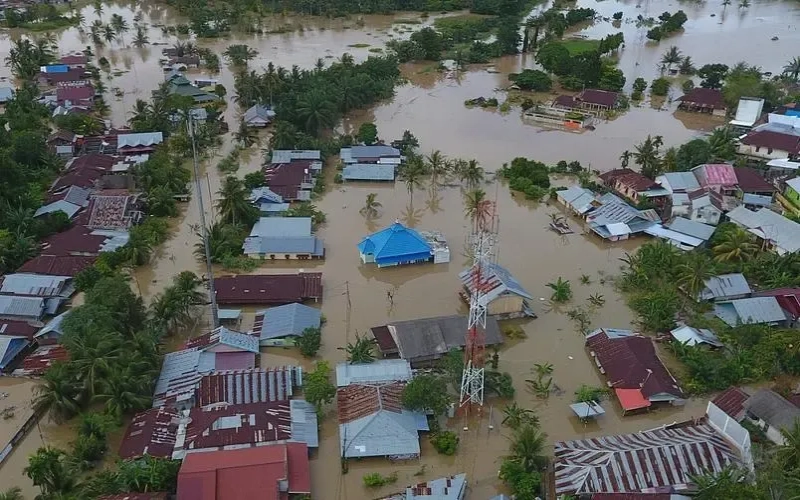
Severe Weather in Indonesia Devastates Coffee-Growing Regions: Java and Sumatra Hit Hard, Output Expected to Fall by as Much as 50%
Indonesia is a major global coffee producer, with coffee cultivation mainly distributed across islands such as Sumatra, Java, Sulawesi, and Bali. However, the country has recently experienced persistent severe weather, and floods and landslides triggered by heavy rain have dealt a serious blow to multiple coffee-producing regions. The Bandung area on Java Island, the island's largest coffee-producing region, has already seen casualties and extensive housing damage; nine regions in western Sumatra have been especially hard hit, and with Robusta coffee at the pre-fruiting and early harvesting stage, losses have been severe. According to estimates by local producers, output on some islands will fall by 20%, and the country's total production may be halved. At the same time, the Indonesian government has designated coffee as a national priority industry and significantly increased fertilizer subsidies in an attempt to ease the impact of the disaster on agriculture. This article will review the specific effects of the disaster on Indonesia's coffee industry and related policy trends. [more…]
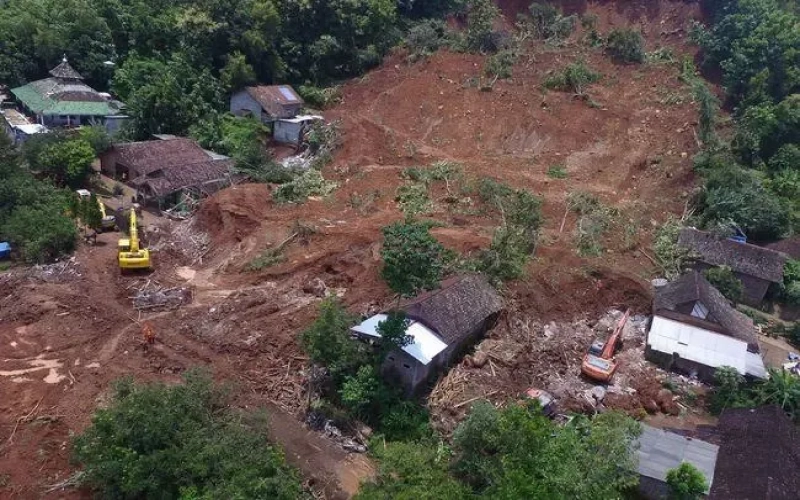
Indonesia's Sulawesi Island Hit by Floods, Robusta-Producing Regions Suffer Heavy Losses That May Drive Coffee Prices Up
Recently, many parts of Asia have been hit by extreme weather, with Indonesia bearing the brunt. Torrential rain, floods, volcanic eruptions, and landslides have struck one after another, dealing a heavy blow to multiple industries in the country, and the coffee industry has been unable to escape unscathed. After West Java and Sumatra were successively affected, South Sulawesi Province was also hit by heavy rainfall, with severe losses in regencies such as Luwu, Soppeng, and Sidrap, where roads and bridges were destroyed and farmland was flooded. This disaster mainly struck the country's Robusta coffee-producing areas, and as it coincides with the harvest season, industry insiders expect output on some islands to decline by 20%, while the country's total production may be halved. A tightening of Robusta supply could further push up international coffee prices. [more…]
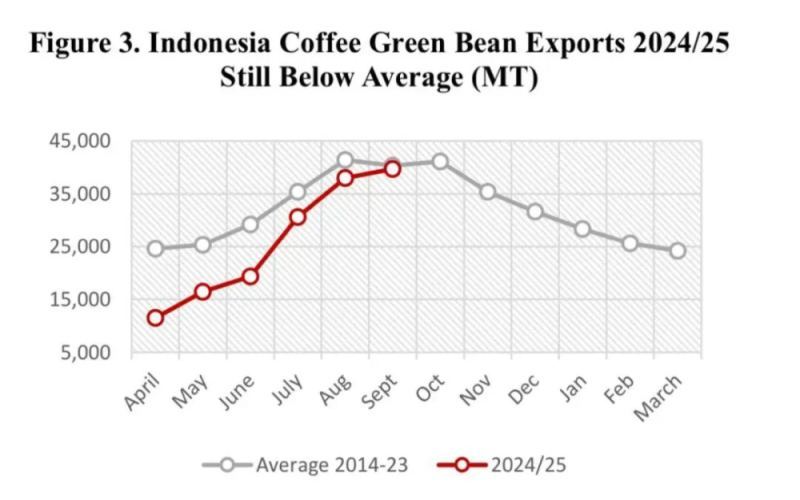
Indonesian Coffee Production Expected to Rebound to 2.4 Million Bags: Analysis of Export and Domestic Demand Trends
The latest report from the United States Department of Agriculture shows that Indonesia's total coffee production for 2024/25 is expected to increase by about 2.4 million bags (60 kg/bag) compared with the previous year, but the overall recovery remains below expectations, with production revised down by 8% year on year. Affected by strong domestic demand, the volume available for export is expected to fall by 12% to 5.2 million bags, though this is still 18% higher than exports in 2023/24. Recovery has been slow in the Robusta-producing areas of southern Sumatra, while the Arabica-producing areas of northern Lintong have suffered heavy rainfall and secondary disasters. Domestic purchasing power is weak, and consumption growth is less than 1%. The European Union had increased purchasing because of the EUDR regulations, but later postponed implementation for one year. Production in Vietnam and Brazil is unstable, and coffee prices remain high. Front Street Coffee will continue to monitor developments in producing regions. [more…]
Indonesia Sumatra Aceh Gayo Mountain Yellow Mandheling Coffee: Variety, Wet-Hulled Processing, and Front Street Mandheling Flavor Analysis
Asian coffee ranks second in global production, and its flavors often feature a heavy body, with acidity less bright than that of African or Central and South American beans, often accompanied by woody, herbal, spicy, and earthy notes. Sumatra Mandheling from Indonesia is a typical representative of this style. This article focuses on the Gayo Highlands production area in Aceh, outlining the origin of the name Mandheling, Indonesia's coffee-growing conditions, the evolution of varieties such as Typica and Ateng, and how the region's unique wet-hulling process shapes a low-acid, thick "taste of place." It also introduces Front Street Coffee's Lintong Mandheling, PWN Golden Mandheling, and Tiger Mandheling, along with brewing parameters and flavor descriptions, to help coffee enthusiasts understand this bean more systematically. [more…]
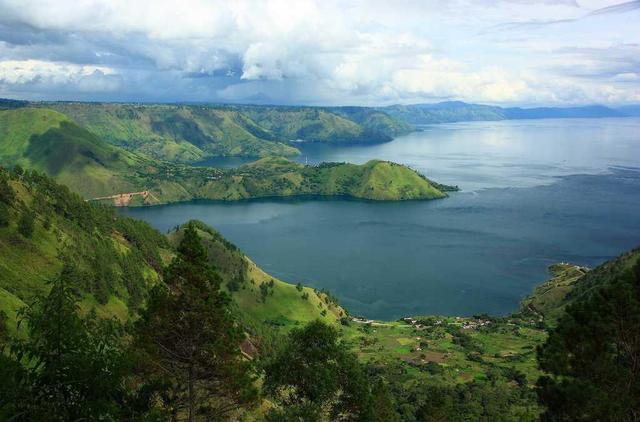
The Origin and History of Mandheling | What is the Sumatra coffee grading system? What varieties of Mandheling are there? How is Indonesian coffee brewed?
Once hailed as the most expensive coffee in the world, Kopi Luwak comes from Indonesia, and its most iconic representative is Front Street Mandheling coffee. Mandheling coffee has a moderate acidity, an extremely heavy aroma, a rather bitter taste, and a rich body with a thick, full mouthfeel. Its flavor combines aroma, intensity, richness, and bitterness in one. Of course, for [more…]
A Comprehensive Analysis of the Flavor Profiles and Green Bean Characteristics of Representative Coffee Varieties from Major Global Coffee-Producing Countries
From Cuba's giant Maragogype to Ethiopia's Yirgacheffe, from Kenya AA to Hawaiian Kona, coffee-growing regions around the world produce representative bean varieties with strikingly different styles. This article systematically sorts through the origins, grading methods, growing environments, and flavor characteristics of these coffee beans, helping coffee enthusiasts build an overall understanding of the global coffee map. Whether you prefer the bright fruit acidity of African beans or the rich, mellow bitterness of Indonesian Mandheling, you can find the corresponding flavor coordinates in this guide. Front Street Coffee will also combine years of roasting experience to provide practical reference for beans from different regions. [more…]
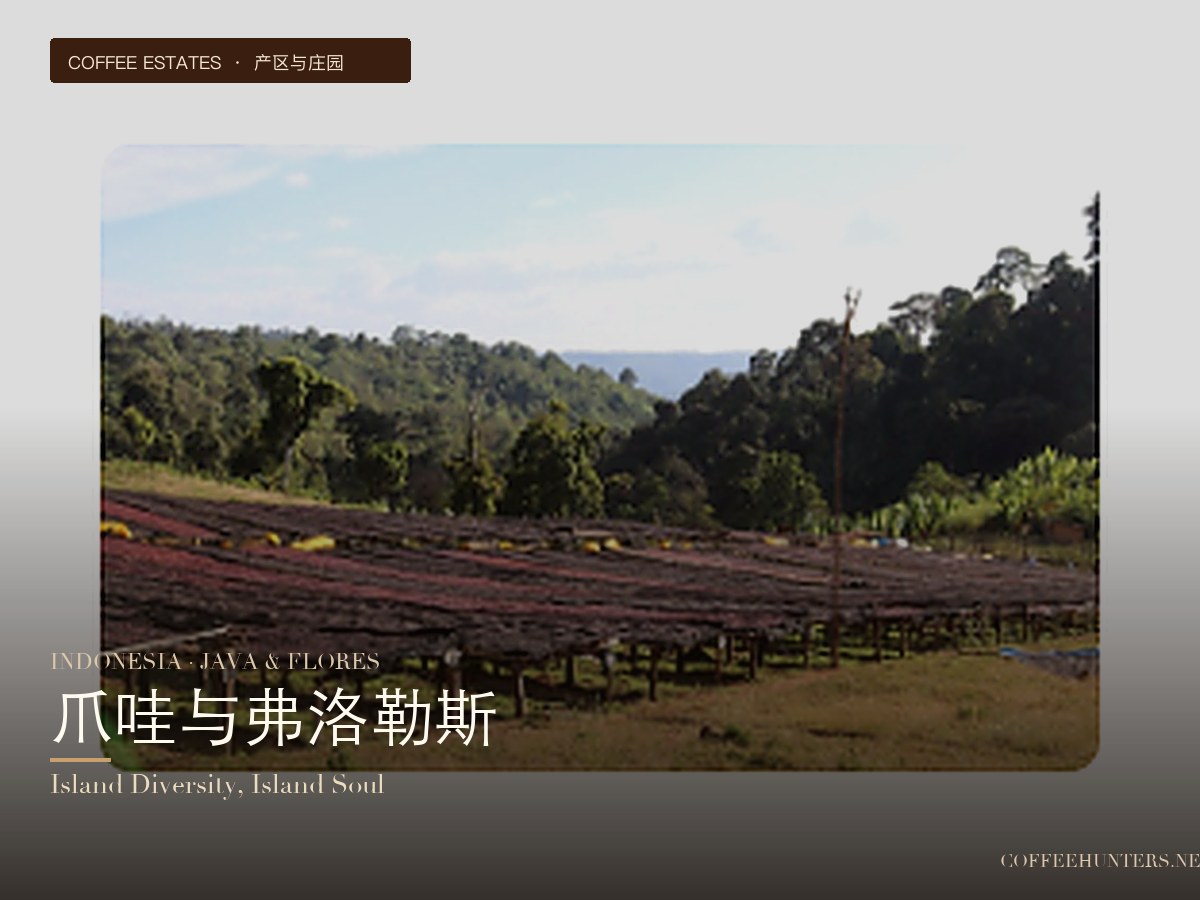
Indonesia: Java and Flores — Diverse Island Flavors
Indonesia's Java and Flores are two specialty coffee-producing regions with just as much diverse flavor as Sumatra. This article introduces you to the geography, varieties, and distinctive flavors of these two island regions. [more…]
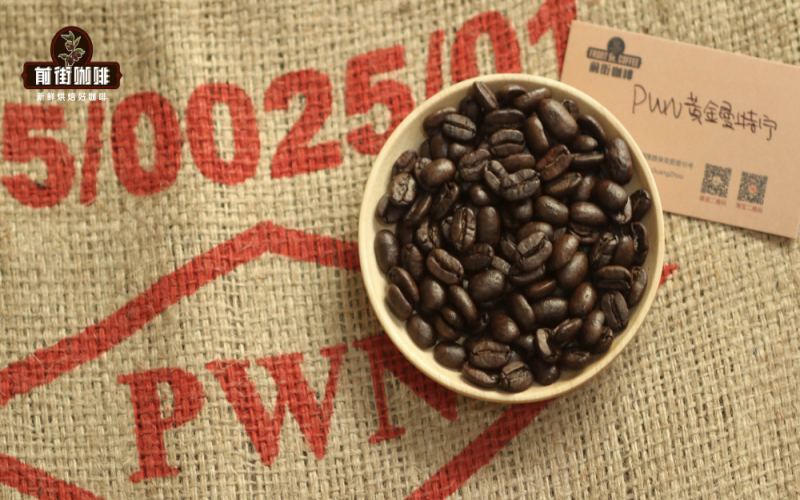
An In-Depth Analysis of Indonesian Sumatra Mandheling Specialty Coffee: Origin Terroir, Wet-Hulling Process, and a Golden Mandheling Brewing Guide
Mandheling coffee is renowned for its rich, full-bodied mouthfeel and steady aroma. As a devoted fan of it, Front Street takes you deep into the world of specialty Mandheling. This article starts with the geography and climate of its origin, Sumatra, and analyzes the characteristics of different Mandheling types such as Lintong, Golden, and Aged, with a focus on how Indonesia's unique wet-hulling process shapes the classic regional flavors interwoven with herbal, woody, and caramel notes. At the same time, Front Street's barista will share the pour-over parameters and brewing techniques for PWN Golden Mandheling, including the use of the KONO dripper, recommended water temperature and grind size, and the details of three-stage pouring, to help you recreate a clean and mellow cup of Golden Mandheling at home. [more…]

How to Choose Beginner Coffee Beans? A Complete Guide to Five Classic Black Coffee Bean Types and Their Origin Flavors
Friends who are new to coffee are often puzzled: there are so many descriptions on the flavor chart, so why can they only taste "coffee flavor"? Actually, this is very normal—the palate needs time to develop. If you want to get started with single-origin coffee, it's a good idea to begin with regions that have distinctive flavor profiles. This article introduces the basic concepts of black coffee and single-origin coffee, and provides a detailed analysis of five classic introductory beans—Front Street Sumatra Mandheling, Front Street Kenya Little Tomato, Front Street Costa Rica Tarrazu, Front Street Papua New Guinea Bird of Paradise, and Front Street Brazil Red Bourbon. From growing environment and processing methods to flavor characteristics, it takes you through a comprehensive understanding of the coffee styles of different origins, so you can find the cup that suits you. [more…]
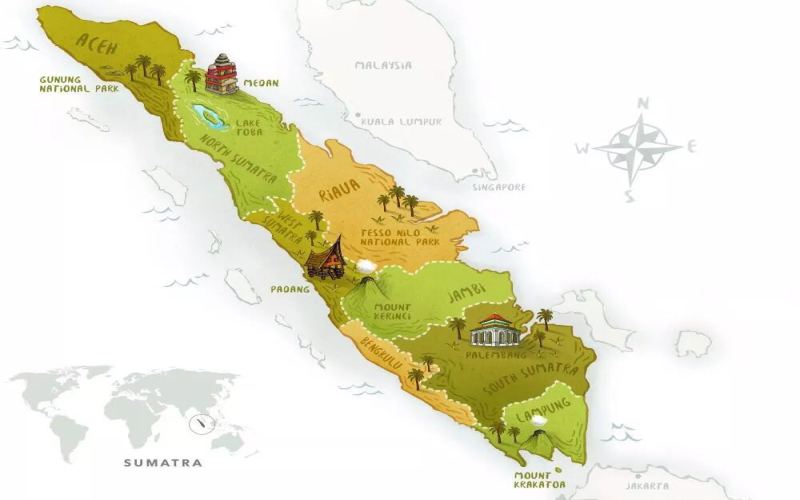
A Comprehensive Analysis of Indonesian Mandheling Coffee: Sumatra Region Varieties, Wet-Hulling Processing, and Flavor Grinding Characteristics
Mandheling is Indonesia's most representative coffee, mainly produced on the island of Sumatra near the equator, where the tropical rainforest climate provides high temperatures and abundant rain for coffee cultivation. However, Indonesia's high-altitude areas are limited, restricting the space for Arabica cultivation—only about 25% of the country's coffee is Arabica, while the rest is mostly Robusta. This article covers Mandheling's producing regions, varieties, processing methods, flavor, and mouthfeel, with a focus on the characteristics of Front Street Mandheling, Front Street Lintong Mandheling, and Front Street PWN Golden Mandheling, including the wet-hulled process, the roasted bread, hazelnut, caramel, and unsweetened chocolate flavors brought by medium-dark roasting, as well as specifications such as Golden Mandheling G1 grade, screen size 18 and above, and fewer than 3 defective beans—a useful reference for readers who enjoy a rich, non-acidic coffee. [more…]
Flavor analysis of Indonesian West Java coffee beans: The honey processing method and cultivation history of the Jember variety
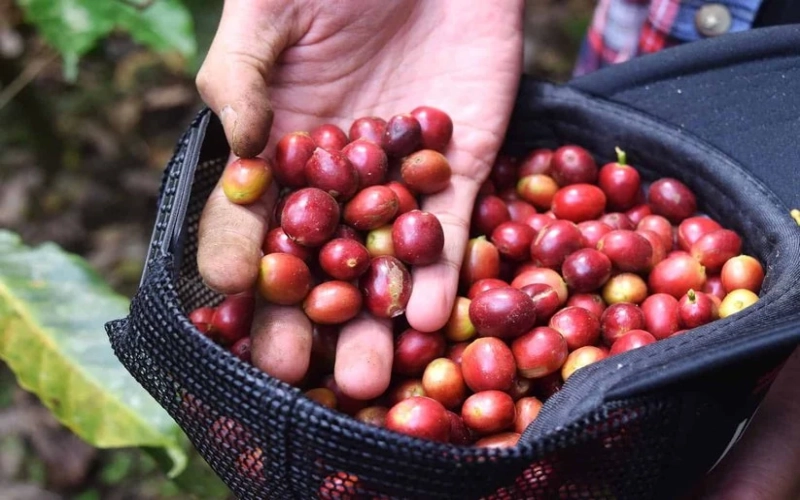
When it comes to Indonesian specialty coffee, most people first think of Sumatra. Yet coffee from West Java presents a completely different character—no heavy herbal and spicy notes, but instead a warm, gentle tropical fruit sweetness and acidity. This West Java bean, now available at Front Street Coffee, comes from the Arumanis Estate on Mount Malabar, and the variety is S795, known locally as Jember, processed using the honey method. This article will walk you through the terroir of the Java growing region, the winding history of coffee cultivation, the role of the ICCRI research institute, as well as the cupping performance of this bean and Front Street's brewing recommendations. [more…]
Analysis of the Semi-Washed Processing Method for Sumatra Golden Mandheling and Brewing Parameters
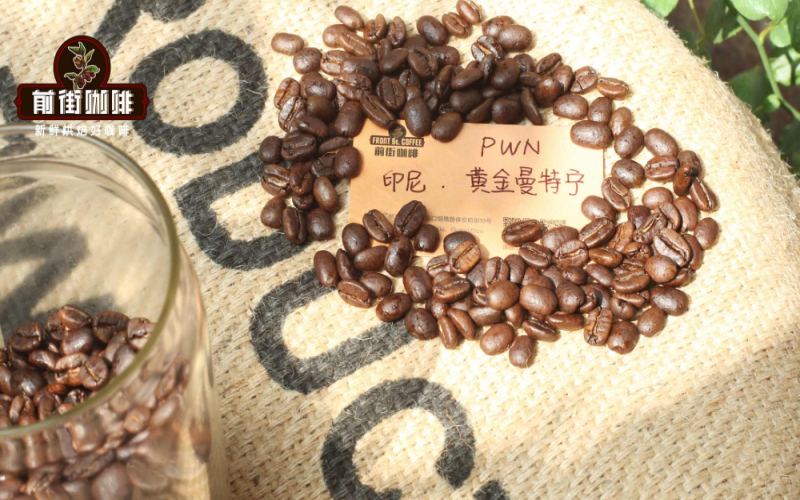
Golden Mandheling originates from Sumatra, Indonesia, and is one of the representatives of Asian coffee, renowned for its rich, full-bodied taste and unique herbal spice aroma. However, Sumatra's hot and humid tropical rainforest climate makes drying coffee cherries a challenge, which is why the semi-washed processing method has become a wise local choice for coping with the humid environment. For those who enjoy bold flavors and dislike acidic single-origin coffees, Mandheling is a fairly safe choice. But dark-roasted beans tend to extract bitterness during pour-over brewing—how do you strike a balance? Front Street Coffee has developed a Golden Mandheling brewing recipe by adjusting water temperature, grind size, and coffee-to-water ratio. This article will share the parameters and techniques in detail to help you brew a cup of sweet, mellow Mandheling. [more…]
An Analysis of Indonesian Sumatra Mandheling Coffee Flavor: From the Lintong Region to Wet-Hulling and the Golden Mandheling Grading
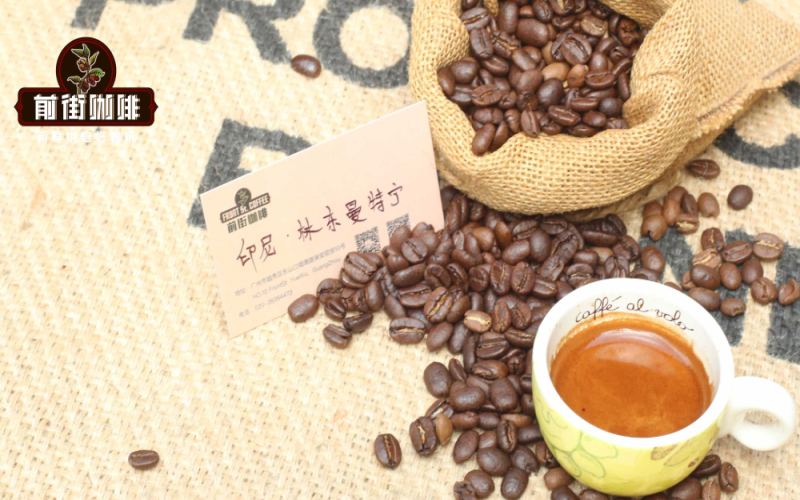
Mandheling coffee is a classic representative of full-bodied coffee, with a uniquely distinctive flavor, yet opinions about it tend to be polarized—those who love it are captivated by it, while those who are not accustomed to it tend to keep their distance. Its unique herbal aroma is precisely the reason many coffee enthusiasts are so devoted to it. As a core variety of Indonesian specialty coffee, Sumatra Mandheling is renowned worldwide for its low acidity, rich body, and distinctive aroma. This article will guide you through the main Arabica-growing regions of Sumatra Island, the traditional flavor characteristics of the Lintong producing area, the wet-hulling process that creates its heavy mouthfeel, and the strict grading standards followed by Front Street PWN Golden Mandheling, helping you gain a comprehensive understanding of this boldly distinctive coffee. [more…]
Indonesian Coffee Bean Brand Recommendation Guide: A Full Analysis of Mandheling Pour-Over Parameters and the Wet-Hulling Process
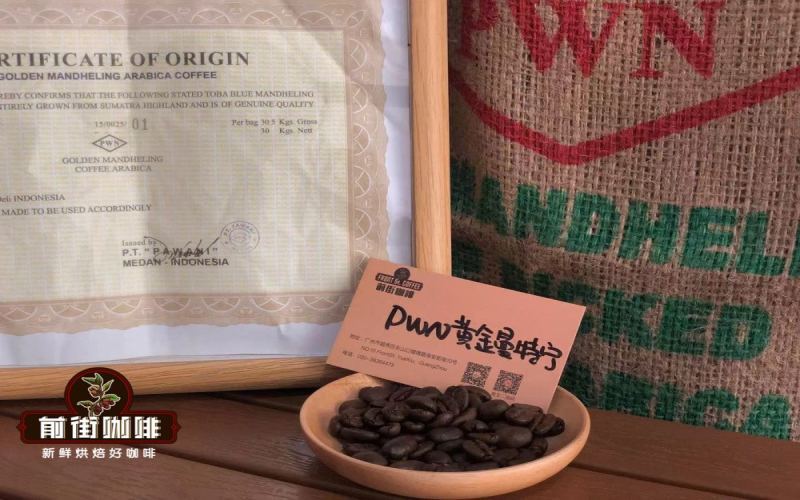
Indonesia is a major coffee-producing country globally, and both Mandheling and Kopi Luwak come from this tropical archipelago. Mandheling is known for its low acidity, rich body, and heavy mouthfeel, with a flavor profile that combines aroma, richness, depth, and bitterness. This article reviews the cultivation history and main producing regions of Indonesian coffee, explains in detail the varietal characteristics of Mandheling, the wet-hulling process, and the G1 grading standard, and shares Front Street Coffee's KONO dripper pour-over parameters and moka pot brewing steps, helping you gain a comprehensive understanding of the flavor code and extraction key points of authentic Indonesian coffee. [more…]

Is Mandheling a coffee variety or a regional name? A full analysis of Indonesian Lintong coffee flavor and wet-hulling processing
Is Mandheling coffee a variety name or a regional designation? Why has the Lintong region of Sumatra, Indonesia, become the quintessential everyday coffee? This article begins with the current state of the Indonesian coffee market, sorts through the terroir conditions of Sumatra and the origin of the Mandheling name, explains in detail the flavor characteristics of the Lintong region and how the wet-hulling process shapes its full-bodied taste, and includes Front Street Coffee's roasting and brewing parameters to help you systematically understand this distinctly characterful Indonesian Arabica. [more…]

How Does Mandheling Coffee Taste? A Complete Analysis from the Sumatra Region to Front Street Coffee's Golden Mandheling Flavor and Brewing
Mandheling coffee is a highly representative presence in the second wave of coffee, retaining a large following of coffee connoisseurs with its low acidity, full body, and bittersweet style. This article begins with the colonial planting history of Sumatra, sorts out the differences between the two major producing regions of Lintong and Aceh, the origins of the wet-hulling process and its impact on flavor, and focuses on the characteristics of Front Street Golden Mandheling and Front Street Lintong Mandheling. At the same time, it also explains why PWN Golden Mandheling must implement strict standards such as 18 mesh and above, G1 grade, and triple hand sorting, as well as why Front Street Coffee chooses medium-dark roasting, and provides a set of KONO dripper brewing parameters suitable for it, helping readers more fully understand the unique charm of Mandheling coffee. [more…]